Accommodation & Stays
Where you sleep shapes how you travel. A noisy room next to a nightlife district can drain the energy out of a city break, while a well-located guesthouse can turn an ordinary trip into a memorable one. Yet accommodation and stays remain one of the least understood parts of trip planning: travelers often book on instinct, guided by a single price or a handful of photos, and discover the trade-offs only after check-in.
This pillar page is designed as a complete introduction to the world of lodging. It explains the main types of accommodation, how pricing really works, what to check before booking, and how to match a place to your travel style. Think of it as a map of the territory: once you understand the landscape, every individual decision becomes easier.
What Accommodation Really Means for a Traveler
At its simplest, accommodation is the space you occupy between two days of travel. But in practice, it plays three roles at once. It is a base of operations — where you plan your days, charge your devices, and store your luggage. It is a rest and recovery zone — the quality of your sleep directly affects what you can do the next day. And increasingly, it is a travel experience in its own right: a riad in a medina, a mountain cabin, or a family-run bed and breakfast can become a highlight rather than a footnote.
A useful analogy: your accommodation is the landing pad of your trip. A good landing pad absorbs the chaos of the day — jet lag, weather, long walks — and resets you for the next one. A bad one amplifies it. That is why experienced travelers often spend more time choosing where to stay than choosing what to see.
The Main Types of Accommodation and Stays
The lodging market has diversified enormously over the past decades. Understanding the categories helps you filter options quickly and know what to expect from each.
Hotels: The Reference Standard
Hotels remain the benchmark for consistency. You generally get daily housekeeping, a reception desk, predictable check-in times, and a level of service defined by a star or classification system. They suit travelers who value reliability and on-site support.
- Full-service hotels: restaurant, room service, sometimes pools or gyms; ideal for comfort-driven stays.
- Boutique hotels: smaller, design-focused, often located in characterful buildings.
- Budget and economy chains: standardized rooms at lower prices, often near transport hubs.
- Business hotels: efficient, well-located, priced lower on weekends.
Vacation Rentals and Short-Term Lets
Entire apartments and houses, booked through specialized platforms, have become a mainstream option. They offer kitchens, washing machines, more space, and a local neighborhood feel. A family of four can often rent a full apartment for the price of one small hotel room — and cook some meals to cut food costs. The trade-offs: fewer services, variable quality control, and house rules such as strict check-in windows or cleaning fees that can quietly inflate the final price.
Hostels and Shared Accommodation
Modern hostels are far from the bare-bones dorms of the past. Many now offer private rooms, co-working spaces, organized events, and cafés. They are the best choice for solo travelers seeking social connection and for anyone stretching a budget across a long trip. A dorm bed in many parts of the world costs a fraction of a hotel room, which can extend a journey by days or weeks.
Guesthouses, B&Bs, and Homestays
These formats put hosts and travelers in direct contact. A guesthouse is usually a small, family-run property with a handful of rooms; a bed and breakfast bundles a night’s sleep with a home-cooked morning meal; a homestay means living with a local family. The value here is rarely in luxury — it is in local knowledge, authentic meals, and a window into everyday life you simply cannot get from a chain hotel.
Nature-Based and Unconventional Stays
Campsites, glamping tents, cabins, farms, and unusual properties (lighthouses, treehouses, converted trains) form a growing segment. They trade convenience for setting and novelty. If the experience itself matters more than amenities, this is the category to explore — but always check what infrastructure (bathrooms, heating, water) is actually included.
Long-Stay Options
For stays of weeks or months, aparthotels, serviced apartments, and monthly rental discounts blur the line between travel and living. Remote workers increasingly choose accommodation based on Wi-Fi quality, desk space, and monthly rates rather than nightly rates.
How Accommodation Pricing Actually Works
Prices for the same room in the same building can vary by 50% or more depending on when and how you book. Understanding the mechanics removes much of the guesswork.
- Demand and seasonality: prices follow occupancy. Peak season, local holidays, festivals, and major events push rates up sharply; shoulder seasons offer the best value-to-weather ratio.
- Dynamic pricing: like airline seats, most rates adjust continuously. A room quoted at one price in the morning may differ by evening.
- Length of stay: weekly and monthly discounts of 20–40% are common on rentals, making long stays disproportionately cheaper per night.
- Location premiums: being two metro stops closer to the center can double the price. Moving slightly outward often costs minutes, not hours, and saves significantly.
- Hidden fees: cleaning fees, resort fees, city tourist taxes, and parking charges can add 15–30% to the advertised rate. Always compare total prices, not headline prices.
A concrete illustration: two travelers book a week-long stay. One books the cheapest headline rate without checking the total, paying a cleaning fee and a tourist tax on arrival. The other pays slightly more per night but all-inclusive, and ends up spending less overall. The lesson: the advertised price is a starting point, not the final cost.
How to Choose: Matching a Stay to Your Travel Style
There is no universally « best » accommodation — only the best fit for a specific trip, budget, and personality. A practical way to decide is to answer four questions in order.
- What is the purpose of the trip? A romantic weekend favors atmosphere and location; a hiking trip favors proximity to trails and drying facilities; a work trip favors reliability and connectivity.
- How much total budget per night is realistic? Set a ceiling that includes taxes and fees, not just the room rate.
- What do you genuinely need? List non-negotiables (private bathroom, kitchen, early check-in, parking) versus nice-to-haves. This list filters 80% of options instantly.
- What does the location cost you in time? A cheaper room 45 minutes from the sights may cost you more in transport, fatigue, and lost hours than a pricier central one.
Imagine two hypothetical travelers with the same budget. One, a solo backpacker, chooses a central hostel dorm: she saves money, meets other travelers, and accepts less privacy. The other, traveling with toddlers, chooses a rental apartment slightly outside the center: he gains a kitchen, separate bedrooms, and quiet evenings. Both made the right choice — because the choice matched their needs, not a generic ranking.
Booking Smarter: Checks Before You Commit
Most accommodation disappointments are preventable with a ten-minute review. Before booking, work through this checklist:
- Read recent reviews from travelers like you: solo, family, business. Reviews mentioning noise, cleanliness, or misleading photos are the most informative.
- Check the exact location on a map: « 10 minutes from downtown » sometimes means 10 minutes by car, not on foot.
- Verify the cancellation policy: flexible rates cost a little more but buy peace of mind when plans may change.
- Confirm practical details: check-in hours, luggage storage, whether a real bed or a sofa bed, air conditioning or heating, and Wi-Fi quality if you need to work.
- Compare the total price across platforms and, when in doubt, the property’s own site — direct booking sometimes includes perks like free breakfast or flexible changes.
Cancellation Policies, Deposits, and the Fine Print
Booking terms deserve their own attention because they are where travelers lose money. There are broadly three policy families: flexible (free cancellation until a few days before arrival), semi-flexible (partial refund), and non-refundable (cheapest, but you pay whether or not you come). A common rule of thumb: choose non-refundable only when your trip is certain and you have locked your dates. For everything else, the small premium of a flexible rate is a form of insurance.
Also watch for deposits and pre-authorization holds, which some properties apply at check-in for incidentals. They are usually released within days of departure, but knowing in advance avoids awkward surprises at the desk — and on your bank statement.
Safety, Comfort, and Responsible Stays
Comfort is subjective, but a few objective markers reliably predict a good night’s sleep: sound insulation (or a room away from elevators and streets), blackout options, a comfortable mattress, and climate control you can actually adjust. For safety, check that windows and doors lock properly, note emergency exits on arrival, and save the property’s address and contact number offline.
Finally, your choices have impact. Staying in locally owned guesthouses and homestays keeps more of your budget in the community than international chains typically do. Respecting house rules in rentals, conserving water and energy in eco-minded properties, and leaving accommodations as you found them are small habits that keep hosts welcoming — and keep authentic lodging options alive for the travelers who come after you.
The Future of Accommodation and Stays
Several trends are reshaping how travelers stay. Hybrid formats — aparthotels, co-living spaces, workation properties — cater to people blending work and leisure. Flexible subscriptions allow nomads to rotate between properties monthly. Meanwhile, travelers increasingly rate authenticity and local character as highly as comfort, pushing the market toward independent and experience-led lodging. What will not change is the fundamentals covered here: location, value, fit, and honest comparison of total costs.
Exploring Further Within This Category
This page is your foundation. As you browse the rest of this category, you will find deeper dives into each lodging type, destination-specific advice, and practical checklists you can reuse for every trip. Start with the type of stay that matches your next journey, and use the decision framework above to narrow your options with confidence. The right stay will not just host your trip — it will quietly support everything you came to do.
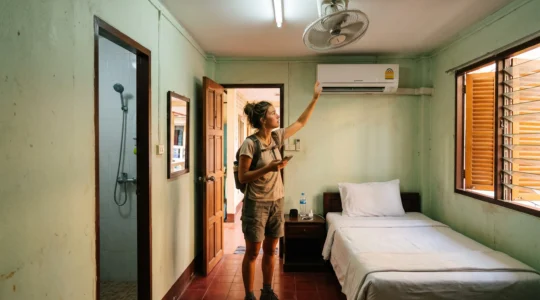
How to Find Thai Guesthouses With Modern Amenities: Air-Con, Wi-Fi, and Hot Showers
A traditional Thai guesthouse does not have to mean sleeping under a noisy fan, struggling with unreliable internet or taking…
Lire la suite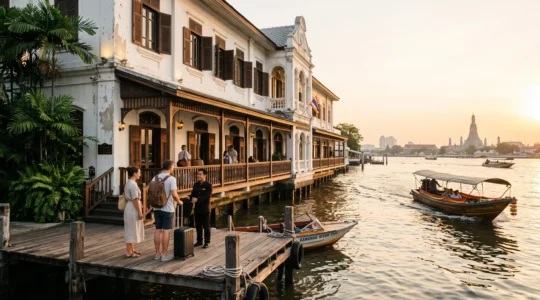
How to Book Bangkok Riverside Heritage Hotels: The Colonial Properties Worth the Premium
Bangkok’s riverside heritage hotels offer something a contemporary luxury tower cannot manufacture: the opportunity to stay inside a building with…
Lire la suite
How to Choose Bamboo Bungalows That Are Eco-Authentic, Not Just Eco-Marketed
A bamboo bungalow in Thailand can mean two very different things: a lightweight structure that works with the tropical climate,…
Lire la suite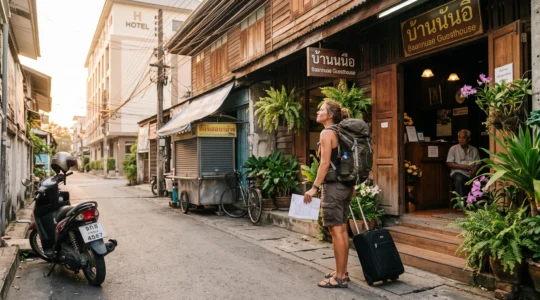
How to Choose Thailand Accommodation: Hotels, Guesthouses, Hostels, or Homestays?
Choosing accommodation in Thailand involves more than deciding how much to spend on a room. A hostel in Bangkok, a…
Lire la suite