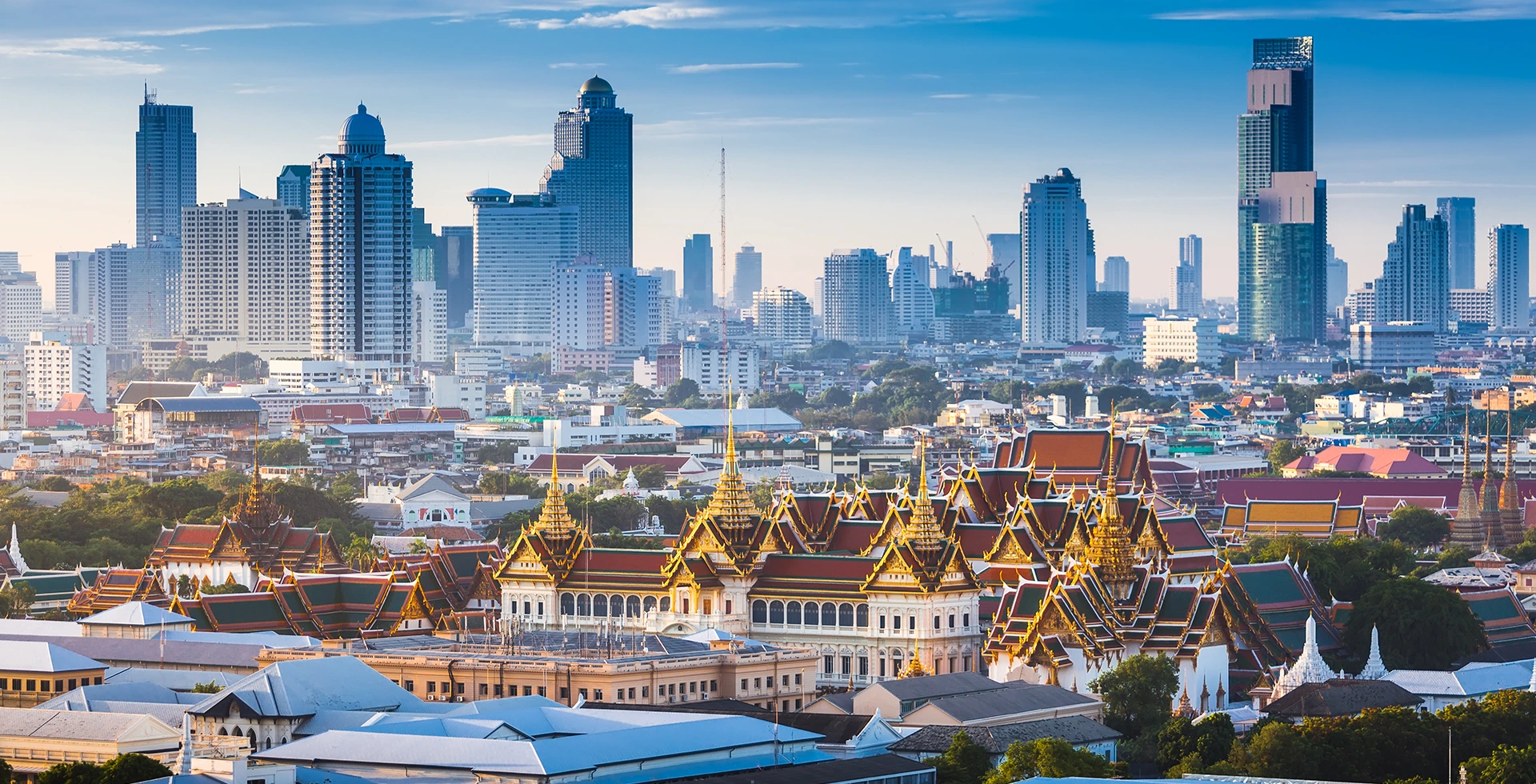
Journey through the kingdom of Thailand
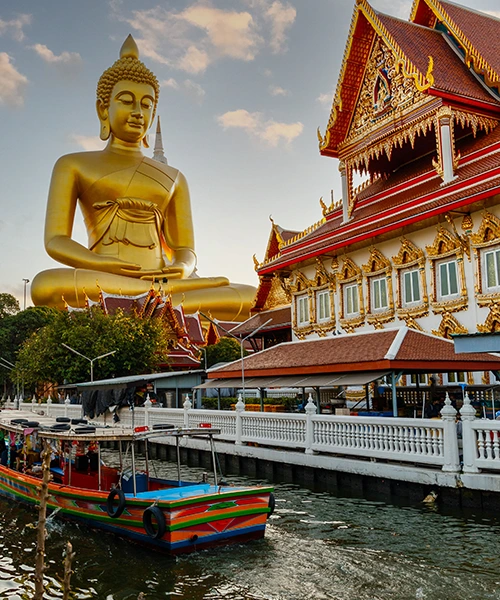
Navigating the distinctive regions and urban centers
The geography of Thailand divides into four distinct areas, each possessing a unique regional identity, dialect, and climate.
Bangkok’s urban districts form the pulsating heart, while the Chao Phraya River weaves through areas filled with vendors. Conversely, Chiang Mai offers a slower pace, surrounded by forested hills and historic Lanna architecture. The northeastern Isan region remains largely agricultural, contrasting with the southern peninsula which attracts visitors to its tropical coastlines on both the Gulf and Andaman sides.
- Central plains river deltas
- Northern mountainous highlands area
- Northeast Isan plateau culture
- Southern coastal tropical islands
Curating memorable itineraries and encounters
Crafting a Thailand itinerary requires balancing energetic urban exploration with moments of absolute tranquility found in nature, ensuring a comprehensive view of local lifestyles.

Spiritual temple visits
Wat Arun at dawn reveals intricate porcelain mosaics reflecting the first light. Silence reigns within these sacred temple compounds.

Jungle trekking adventures
Khao Sok National Park immerses hikers in one of the world’s oldest evergreen rainforests, where trekking routes pass through wildlife-rich surroundings.

Marine park exploration
Similan Islands offer visibility up to thirty meters for divers exploring vibrant coral reefs and marine biodiversity.
Understanding the pillars of cultural heritage
Social interactions are deeply rooted in Theravada Buddhism and a complex respect hierarchy known as ‘greng jai’, which influences daily conduct.

The Wai greeting, with palms pressed together at chest level, signifies respect and acknowledges social standing without needing spoken words.
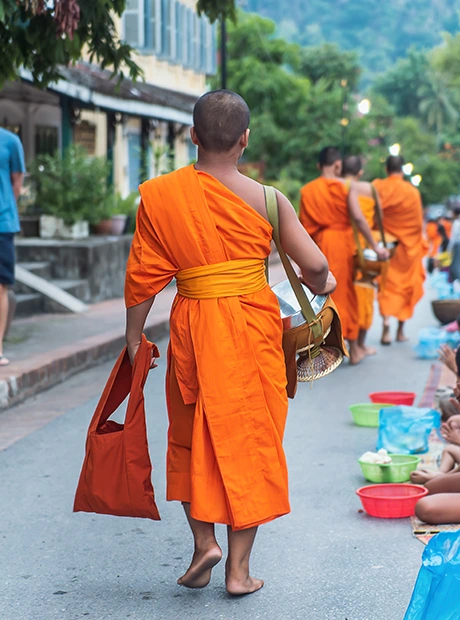
During monk alms giving in the early morning, saffron-robed monks receive food offerings from locals as a daily act of merit-making.
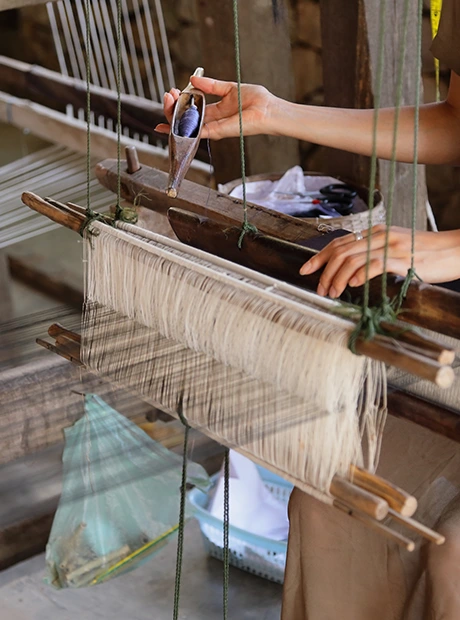
Traditional silk weaving in northeast villages preserves ancient loom techniques to produce intricate patterns unique to each distinct community.

The « art of eight limbs » uses fists, elbows, knees, and shins in a disciplined, rhythmic form of Muay Thai combat.
Efficient mobility systems for modern travelers
Travel between Thai provinces or within congested cities involves a mix of traditional transport methods and modern transit options suited to different terrains.
01
Urban rail and metro networks
The BTS Skytrain in Bangkok runs above traffic, connecting major shopping districts with fast, air-conditioned urban transit.
02
Traditional water transport
Long-tail boats navigate the narrow khlongs, providing access to canal-side communities unreachable by standard road vehicles.
03
Regional train and bus services
Overnight sleeper trains connect Bangkok to Chiang Mai, allowing passengers to wake up amidst northern rice fields.
Accommodation options
Selecting accommodations from boutique to luxury
The accommodation options range from bamboo bungalows on secluded beaches to high-rise hotels offering panoramic city views. Riverside heritage hotels often repurpose colonial-era mansions, providing a nostalgic atmosphere alongside modern amenities. In rural areas, homestays in farming communities allow visitors to observe agricultural practices firsthand while enjoying simple, home-cooked meals prepared by host families.
Unveiling the natural beauty of landscapes
Southern Thailand is defined by vertical limestone pillars and emerald waters that attract visitors seeking pristine natural environments.
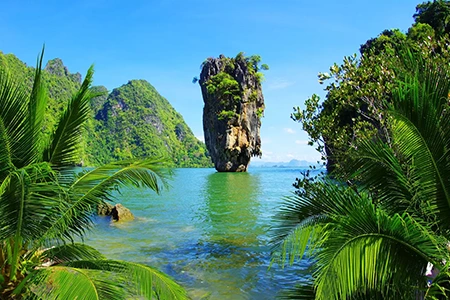
Phang Nga Bay Karsts
Limestone formations in Phang Nga Bay rise dramatically from emerald waters, creating a surreal seascape perfect for kayaking expeditions.
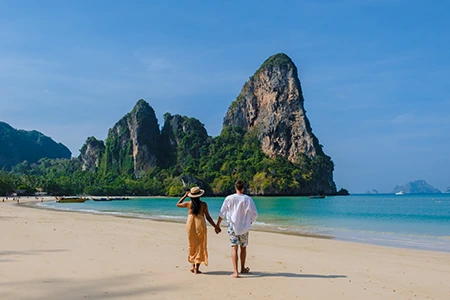
Railay Beach Cliffs
Accessible only by boat, the Railay peninsula attracts rock climbers scaling the towering cliffs overlooking the ocean.
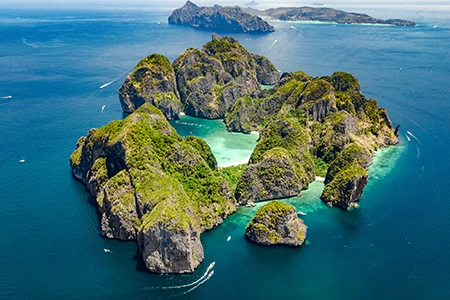
Phi Phi Archipelago
Maya Bay remains a protected ecological zone where blacktip reef sharks patrol the shallow, crystal-clear lagoons.